
Real time.
No wires.
Solar GPS for the things you cannot wire. It mounts with a magnet, reports as often as every 30 seconds, and daylight keeps it charged. Nothing to plug into and no battery to replace.
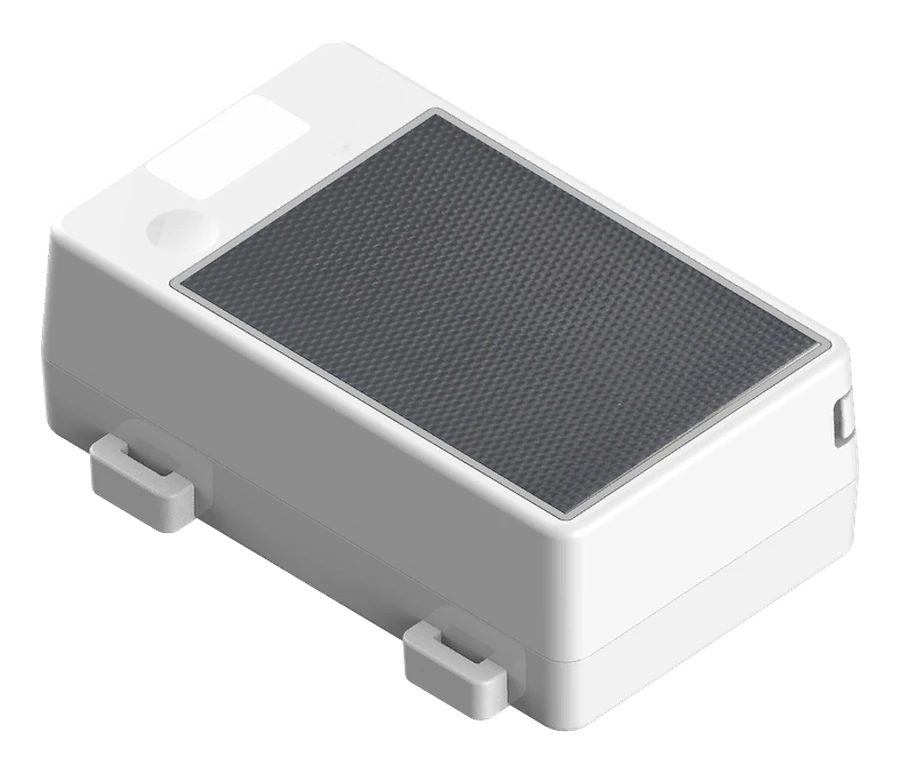
The install is deciding where to put it.
There is no OBD port on a dump trailer and no ignition wire on a light tower. That is usually where fleet visibility stops: the truck gets tracked, and everything it tows or drops off does not.
It goes on the outside, upright and high on the front or rear wall, with a clear view of the sky. Laid flat on the roof a panel collects snow, water and road dirt, and a covered panel stops charging.
- Vertical, high on the front or rear wall
- Magnet, four screws, or double-sided tape
- No power, no ignition wire, no OBD port
- Moves to the next asset in a minute, nothing to unwire
- Hall switch alerts you if it comes off
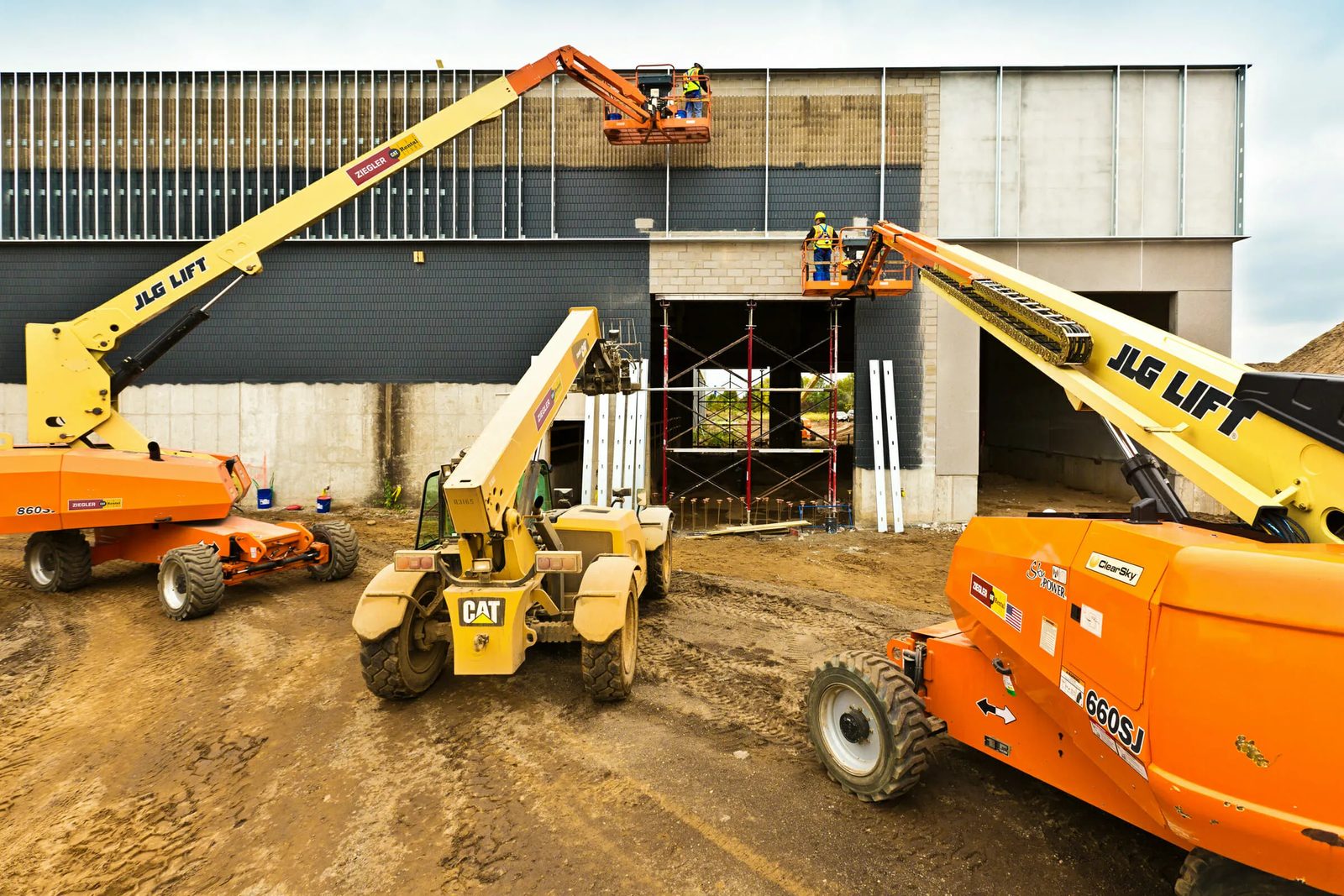
The sun does the part you would otherwise pay for.
A battery-only tracker buys its life by reporting less. Once a day is cheap to power, and no help at all at two in the morning when a skid steer is on the back of somebody else's truck.
IQ-Solar recharges in daylight, so the reporting rate is not rationed against the cell. Parked in the dark it holds about 100 days on a 30-minute check-in, then catches up when the sun returns.
- Integrated solar panel, rechargeable 2500 mAh cell
- About 100 days standby at 30-minute reporting
- Up to 60,000 positions held onboard with no signal
- No battery to buy, change, or dispose of
Thirty seconds is a different kind of tracking.
A once-a-day ping tells you where something was. That is enough for an audit and useless for a recovery, because by the time it reports again the trail is a day cold.
At 30-second updates you get a live line on the map, geofence alerts while they are still worth acting on, and run hours accurate enough to bill against and to schedule service against.
- Position as often as every 30 seconds in motion
- Up to 64 geofence regions held on the device
- Movement, tow-away and removal alerts
- Run hours and utilization, per asset
Where a solar tracker earns it.
What the spec lines mean for a yard full of equipment that nobody can currently account for.
The trailer stops being a blind spot
You already know where the tractor is. Put one on the van, the reefer or the flatbed and the load has its own position, whether or not anything is coupled to it.
Rented iron reports its own hours
Run hours come off the device rather than off a sheet somebody fills in on Friday. That is the difference between billing what ran and billing what was remembered.
A theft is an alert, not a Monday
Geofences live on the device, so leaving the yard raises an alert while it happens rather than turning up as a gap in the next daily report.
Nobody schedules an installer
Your own crew can fit a hundred of them. No shop appointment, no fuse tap, and no asset out of service for the afternoon.
It survives the yard
IP67 and rated from -22°F to 176°F, so rain, salt, dust and a pressure washer are all part of a normal week.
It reports where everything else reports
Trailers, equipment, trucks and cameras all land on one map, in one account, on one bill.
IQ-Solar, in full.
Power
- Solar
- Integrated panel, charging the cell whenever there is daylight
- Battery
- Rechargeable lithium polymer, 2500 mAh, 3.6V
- Standby
- About 100 days at 30-minute reporting, about 45 days at 5-minute
- Battery replacement
- None. Nothing to open, change, or dispose of
Install and housing
- Mounting
- Magnet, four screws, or double-sided tape
- Recommended position
- Vertical, high on the front or rear wall, with a clear view of the sky
- Wiring
- None. No ignition wire, no OBD port, no fuse tap
- Rating
- IP67, tested at 5 m water pressure for 15 hours
- Dimensions
- 88 x 60.4 x 30.7 mm (3.46 x 2.38 x 1.21 in)
- Weight
- 150 g (5.3 oz)
- Operating temperature
- -30°C to +80°C (-22°F to +176°F)
Reporting
- Update rate
- As often as every 30 seconds, set per reporting profile
- Offline storage
- Up to 60,000 positions held onboard with no signal
- Geofence
- Up to 64 regions held on the device
- Alarms
- Up to 31 alarm types, including movement and removal
Location
- Constellations
- GPS, GLONASS, BeiDou, Galileo and QZSS
- Antennas
- GNSS and cellular, both internal
Connectivity
- Network
- LTE Cat-M1 (eMTC) and Cat-NB2 (NB-IoT), with GSM fallback
- Protocols
- TCP, UDP, MQTT and SMS
- Bluetooth
- BLE 5.3, for paired temperature and door sensors
- Firmware
- Updates over the air
Onboard
- Temperature
- Built-in temperature sensor
- Removal
- Hall switch, raising an alert when it comes off the asset
- Motion
- Movement detection, for tow-away and after-hours alerts
All specifications are typical and subject to change without notice.
Asked about IQ-Solar.
What can I put it on?
Where on the asset should it go?
How is this different from IQ-BATT?
What happens when it does not see the sun?
How long does the install take?
Will I know if someone takes it off?
Is there a contract?
Track the half of your fleet with nothing to plug into.
We will put one on a trailer and show you the map before you buy a hundred. No contract either way.
Prefer to talk? 1-888-606-6444